
Biometric tracking
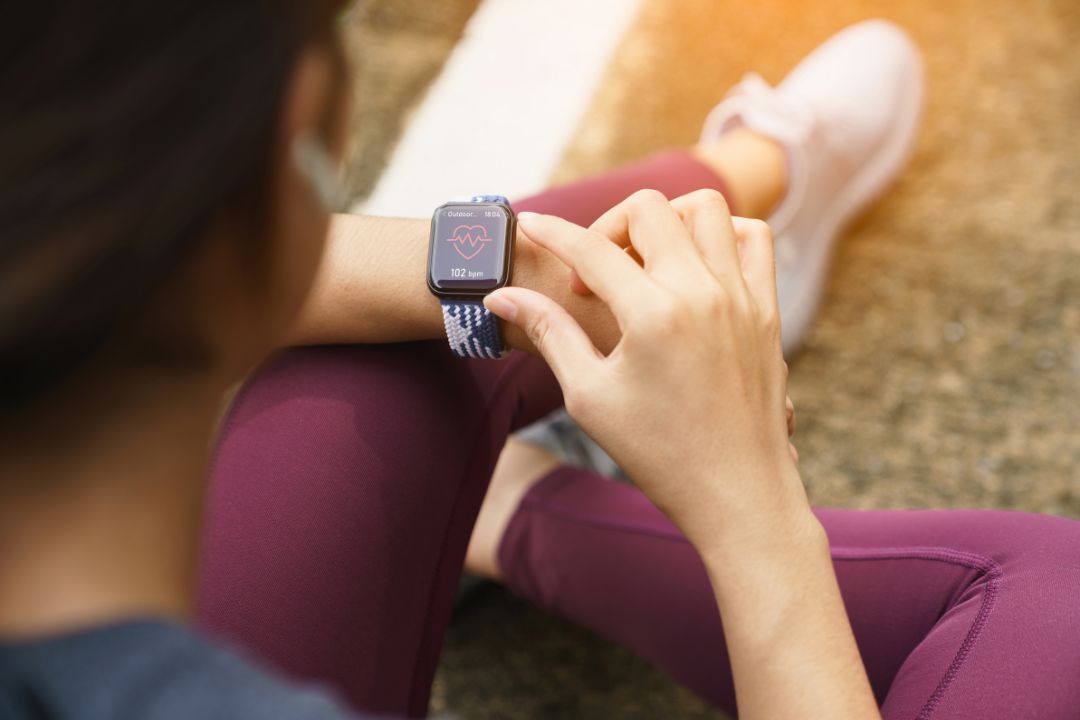
Wearing a device that records your sleep, heart rate, and activity, so you and your audiologist can look for patterns alongside how your tinnitus has been.
How does biometric tracking work?
Biometric tracking for tinnitus is a way of gathering information that sits alongside your other care. Some clinics list it with their treatments, so this page explains what it involves, what it can tell you, and where its limits are.
You wear a device, usually on your wrist or finger, that records things like your sleep, your heart rate variability, and how active you are each day. Heart rate variability is the small variation in time between heartbeats, and wearables use it as a rough guide to stress. You and your audiologist then look at that data alongside how your tinnitus has been, which comes from your own short check-ins or questionnaires.
The aim is to spot patterns, such as tinnitus feeling harder on days after poor sleep or during a stressful stretch. If sleep turns out to be a factor, for example, your audiologist might suggest adding help aimed at sleep to your plan.
Who is biometric tracking for?
Biometric tracking is offered as part of a wider care plan. It tends to suit people whose tinnitus seems to vary from day to day without an obvious reason, and people who find it helpful to see their own data over several weeks. If you already wear a fitness tracker, adding it to your tinnitus care may take little extra effort.
If you tend to find health data worrying, mention that to your clinician before you start. Daily check-ins mean paying regular attention to your tinnitus and your body, and treatments such as tinnitus retraining therapy and cognitive behavioral therapy aim for tinnitus to take up less of your attention. Your clinician can help you decide whether tracking fits with that.
What does the evidence say?
Every treatment page on Tinnitus Support lays out the evidence the same way, so you can compare options on an even footing.
The studies
We found no published trial testing whether adding biometric tracking to tinnitus care improves results.
Research does show that tinnitus is linked with sleep and with stress. Across studies, between a quarter and three quarters of people with tinnitus report sleep problems, and sleep difficulties tend to be worse when tinnitus is more bothersome. The National Institute for Health and Care Excellence (NICE), which sets national health guidance, lists stress among the things that can make tinnitus worse.
What was found
These studies show links between tinnitus, sleep, and stress. Whether tracking sleep and stress leads to better tinnitus care is still untested.
A wearable records your sleep and heart rate, and there is currently no objective measure of tinnitus that can be used in clinical care. The tinnitus side of the picture still comes from what you report. Consumer wearables vary in accuracy, too. A small 2025 study comparing five devices against a medical heart monitor found that accuracy for overnight heart rate and heart rate variability differed from one device to another.
None of the tinnitus guidelines we reviewed address biometric tracking. The 2024 guideline from the US Department of Veterans Affairs and Department of Defense suggests using validated questionnaires, such as the Tinnitus Functional Index or the Tinnitus Handicap Inventory, to track how tinnitus care is going.
How biometric tracking is provided
Biometric tracking is a service a clinic offers alongside other care, using wearable devices. There is no clearance from the US Food and Drug Administration (FDA) for it as a tinnitus service. Many consumer fitness trackers are sold as general wellness products, and some features on some devices hold FDA authorization for other purposes, such as heart rhythm alerts.
Worth knowing
Tracking means sharing weeks of personal health data. Before you start, ask the clinic which device you would wear, whether you need to buy it, who can see your data, where it is stored, and what happens to it when your care ends.
We will update this page if a trial of biometric tracking in tinnitus care is published.
Sources. Gallo and colleagues, effect of tinnitus on sleep quality and insomnia, International Archives of Otorhinolaryngology, 2023. Review of studies evaluating tinnitus with polysomnography, International Archives of Otorhinolaryngology. Shoushtarian and colleagues, objective measurement of tinnitus, PLOS ONE, 2020. Dial and colleagues, validation of nocturnal heart rate and heart rate variability in consumer wearables, Physiological Reports, 2025. NICE guideline NG155, Tinnitus assessment and management, 2020. VA/DoD Clinical Practice Guideline for Tinnitus, 2024. FDA guidance on general wellness products.
Last reviewed September 2026
Biometric tracking FAQs
Is biometric tracking a treatment for tinnitus?
Biometric tracking is a way of gathering information that supports your other tinnitus care. It records things like sleep and heart rate so you and your audiologist can look for patterns. Any change to how tinnitus affects you comes from the care it supports, such as help with sleep, sound therapy, or cognitive behavioral therapy.
Can a wearable measure my tinnitus?
There is currently no objective measure of tinnitus that can be used in clinical care, so no wearable can measure the tinnitus itself. A tracker records your sleep, heart rate, and activity. How your tinnitus has been still comes from what you report, which is why clinics pair the data with short check-ins or questionnaires.
Will tracking help my tinnitus?
No published trial has tested that yet. What tracking can do is help you and your audiologist spot patterns, such as tinnitus feeling harder after poor sleep. If that happens, your audiologist can suggest care aimed at sleep or stress, and those approaches have their own evidence, which our other treatment pages cover.
Which device would I wear?
That depends on the clinic. Ask which device they use, whether you need to buy it, and whether a tracker you already own would work. Consumer wearables vary in accuracy, so it is reasonable to ask how the clinic checks the data and which measurements they rely on when they review it with you.
Who can see my tracking data?
Ask the clinic before you start. Useful questions include who can see the data, whether it stays with the clinic or passes to the device company, where it is stored, and what happens to it when your care ends. A clinic offering tracking should be able to answer these clearly and in writing.
What if tracking makes me more anxious about my tinnitus?
Tell your audiologist. You can pause or stop tracking, and there are other ways to follow how your care is going, such as short questionnaires at each visit. Your audiologist can help you find a way to review progress that feels manageable, so the focus stays on the care that supports you.
Ready to talk it through?
Clinics listed on Tinnitus Support that offer biometric tracking can explain how they use it alongside their other tinnitus care, and whether it would suit you.
This page is for general information about tinnitus treatments. It does not replace advice from an audiologist or doctor who has assessed your hearing. Treatment suitability and results vary from person to person.
Published September 2026 · Last reviewed September 2026