
Treatments for tinnitus, grouped by how they work
Some options are devices an audiologist fits, some work through sound, some work on your reaction to it, and some are apps you use at home. Knowing which family an option belongs to makes it easier to talk through.
Devices
These are physical devices an audiologist fits and programs for you. Sessions then happen at home or through your day as you wear them.
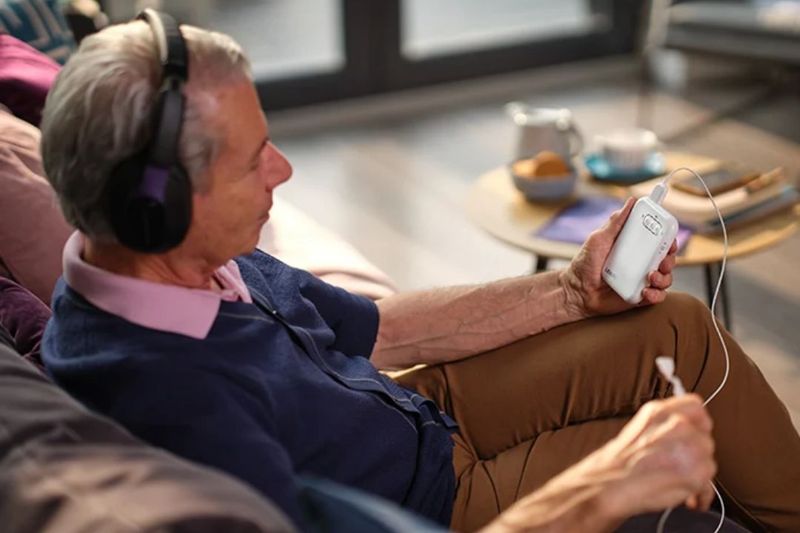 Lenire A prescription device that pairs sound with gentle pulses on the tongue, used at home.
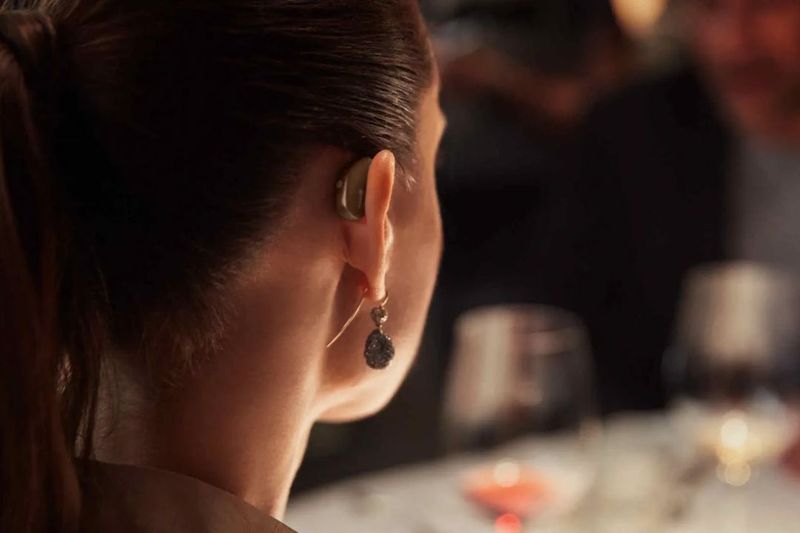 Hearing aids for tinnitus Hearing aids fitted by an audiologist, so tinnitus has less quiet to stand out against.
 Biometric tracking A wearable that records sleep, heart rate, and activity, to spot patterns with your tinnitus.
Sound
These options add gentle sound around the tinnitus, so it has less of the room to itself. An audiologist sets the sound up with you and then adjusts it over time.
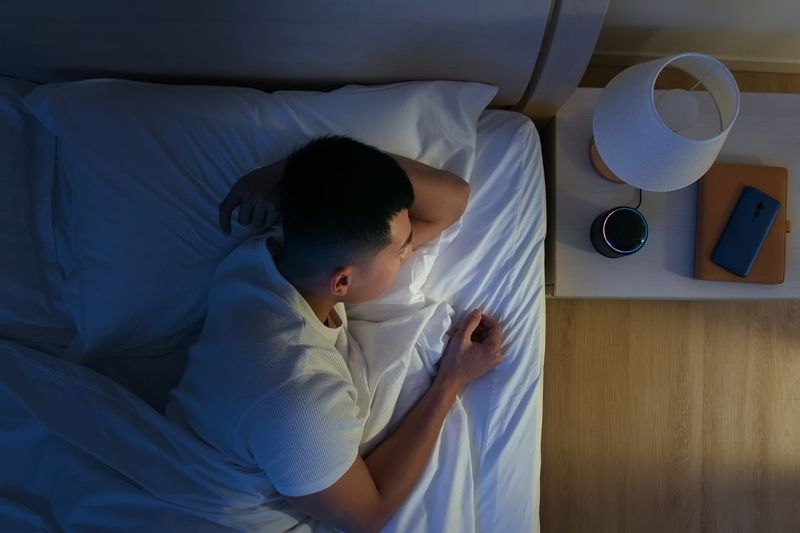
Counseling
These options work on how much tinnitus takes over your day, your sleep, and your mood, rather than on the sound itself. They are designed to help your brain gradually learn to treat the sound as background.
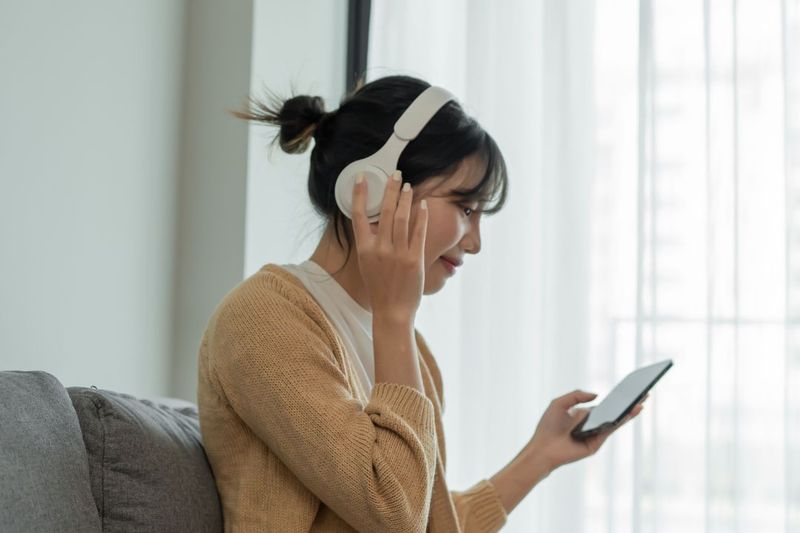

Apps
These programs run on your phone and guide short sessions between clinic visits. Your audiologist can follow how it is going with you.
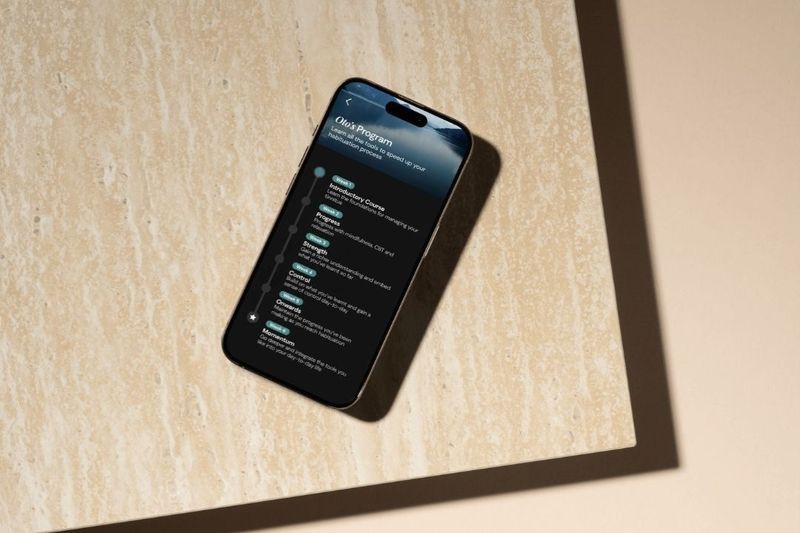 Oto A program with a tinnitus audiologist, plus a daily app of short guided exercises.
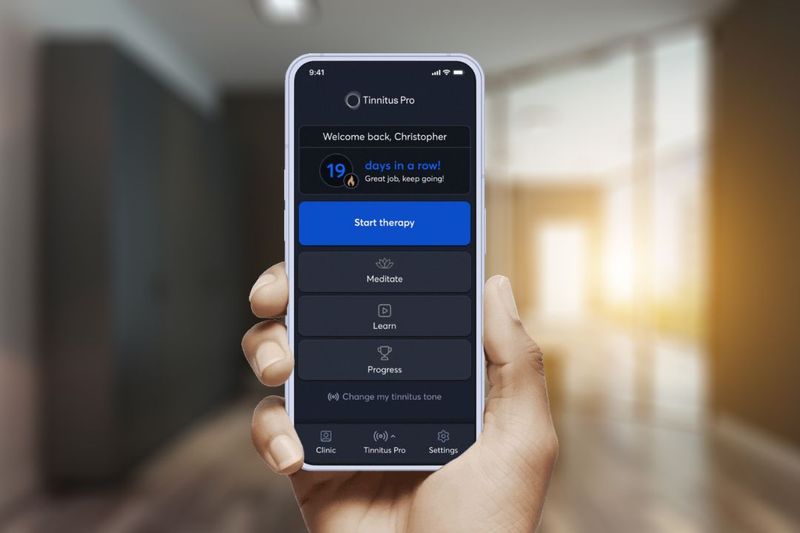 Tinnitus Pro An app set up by your hearing care professional, pairing sound therapy with guided lessons.
 Digital therapeutics for tinnitus Apps and online programs for tinnitus care, often with a clinician guiding you.
Not sure where to start?
If these names are all new to you, the basics are a good first stop. Many clinics combine parts of more than one family, so bringing a shortlist to your appointment is a fine way to open the conversation.
This page is for general information about tinnitus treatments. It does not replace advice from an audiologist or doctor who has assessed your hearing. Treatment suitability and results vary from person to person.