
Hearing aids for tinnitus
Hearing aids fitted by an audiologist to make everyday sound easier to hear, which leaves less quiet for tinnitus to stand out against.
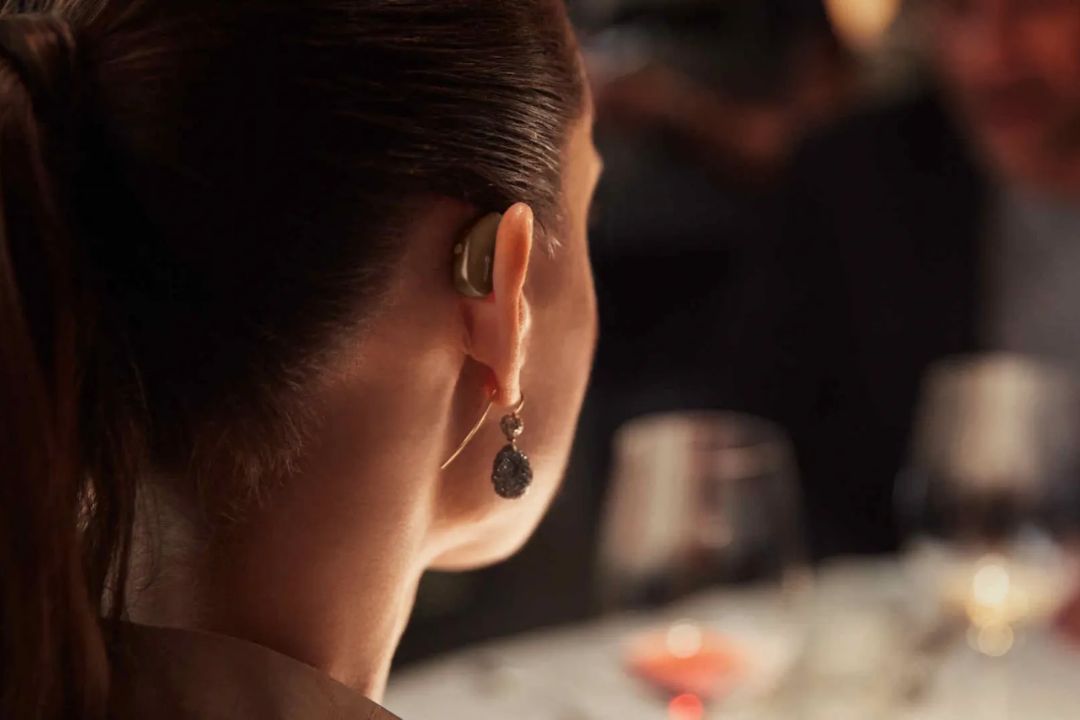
How do hearing aids help with tinnitus?
Tinnitus and hearing loss often come together. When hearing drops, everyday sound gets softer, and tinnitus has more quiet to stand out against. Hearing aids for tinnitus are designed to bring back that everyday sound, such as voices, footsteps, and the low hum of a room. Many people find the tinnitus takes up less of their attention once there is more to hear around it.
Many hearing aids include a built-in sound generator, sometimes called a tinnitus feature. It plays a steady, gentle sound, such as soft noise, which your audiologist can set and adjust. Hearing aids that combine amplification with a sound generator are called combination devices.
Your audiologist fits the hearing aids to your own hearing test results, so the sound is shaped around the pitches you find hardest to hear. The first aim is to help you hear and follow conversation more easily.
Who are hearing aids for tinnitus for?
Hearing aids suit people who have tinnitus alongside some hearing loss. Guidelines in the US and the UK support them for that group, and a hearing test is how you find out whether you are in it. That makes the test a useful first step, including for people who have not noticed any change in their hearing.
If your hearing test comes back normal, UK guidance advises against hearing aids for tinnitus. Your audiologist can talk through other options with you, such as sound therapy or cognitive behavioral therapy (CBT).
What does the evidence say?
Every treatment page on Tinnitus Support lays out the evidence the same way, so you can compare options on an even footing.
The studies
The main review is a Cochrane review from 2018. It looked at eight randomized trials with 590 participants in total. Seven trials looked at hearing aids, four at combination devices, and three at sound generators worn on their own. Every trial compared one type of device with another, and none compared a device with no device, a placebo, or advice alone.
What was found
In the one trial that compared hearing aids with sound generators, people in both groups reported a meaningful drop in how much tinnitus bothered them, with no difference between the groups. Three trials compared combination devices with hearing aids alone and found little or no difference. The review rated the certainty of this evidence as low. With no trial including a no-device group, it could not show how much of the improvement came from the devices themselves.
Guidelines look at tinnitus and hearing loss together. The 2014 guideline from the American Academy of Otolaryngology (the US professional body for ear, nose, and throat doctors) recommends a hearing aid evaluation for adults who have hearing loss and persistent, bothersome tinnitus. The 2024 guideline from the US Department of Veterans Affairs and Department of Defense suggests hearing aids for tinnitus in adults with hearing loss. In the UK, the National Institute for Health and Care Excellence (NICE), which sets national health guidance, says to offer hearing aids to people with tinnitus whose hearing loss affects their ability to communicate.
For someone with hearing loss, hearing better is a benefit in its own right, so the case for hearing aids rests on more than the tinnitus research alone.
Regulatory status
Hearing aids are medical devices regulated by the US Food and Drug Administration (FDA). Since October 2022, adults aged 18 and over with perceived mild to moderate hearing loss can buy over-the-counter hearing aids without seeing a hearing professional. Hearing aids for more severe hearing loss, and for anyone under 18, remain prescription devices.
Worth knowing
The label the FDA requires on over-the-counter hearing aids advises seeing a doctor if you hear ringing or buzzing in only one ear. Tinnitus in one ear, or tinnitus that pulses in time with your heartbeat, is worth having checked by a clinician before you buy anything.
The Veterans Affairs guideline suggests a follow-up check at least one month after fitting, using short questionnaires about your hearing and your tinnitus.
Sources. Cochrane review CD013094, Sound therapy using amplification devices and/or sound generators for tinnitus, 2018. AAO-HNSF Clinical Practice Guideline, Tinnitus, 2014. VA/DoD Clinical Practice Guideline for Tinnitus, 2024. NICE guideline NG155, Tinnitus assessment and management, 2020. FDA final rule establishing over-the-counter hearing aids, 2022, and FDA guidance on over-the-counter hearing aid labeling.
Last reviewed September 2026
Hearing aids for tinnitus FAQs
Will hearing aids make my tinnitus go away?
Hearing aids are designed to make everyday sound easier to hear, which leaves less quiet for tinnitus to stand out against. Many people find it takes up less of their attention with hearing aids in. Trials have yet to show how much of that comes from the hearing aids themselves, so your audiologist can help you set expectations.
Do I need a hearing test first?
A hearing test is the usual first step. UK guidance says people with tinnitus should be offered one, and the US guideline calls for a prompt hearing exam when tinnitus is in one ear, has lasted six months or more, or comes with hearing trouble. The results show whether hearing aids fit your situation.
Can I use over-the-counter hearing aids for tinnitus?
Over-the-counter hearing aids are for adults with perceived mild to moderate hearing loss, and you can buy them without seeing a professional. They come without the hearing test and tinnitus assessment a clinic provides. If your tinnitus is in one ear, the FDA label advises seeing a doctor before you buy.
What if my hearing is normal?
UK guidance advises against hearing aids for people with tinnitus and no hearing loss. Other options may suit you better, including sound therapy, which adds gentle background sound, and cognitive behavioral therapy, which guidelines support for bothersome tinnitus. Your audiologist can talk through which of these fits your situation.
What is a sound generator in a hearing aid?
It is a feature built into many hearing aids that plays a steady, gentle sound, such as soft noise, at a level your audiologist sets. The aim is to soften the contrast between tinnitus and a quiet room. In a Cochrane review, three trials found little or no difference between combination devices and hearing aids alone.
Will I need follow-up visits?
Yes. Follow-up visits let your audiologist check how the hearing aids are working and adjust the settings. The Veterans Affairs guideline suggests a check at least one month after fitting, using short questionnaires about your hearing and your tinnitus, so you both have something concrete to compare.
Ready to talk it through?
Clinics listed on Tinnitus Support that offer hearing aids for tinnitus can test your hearing, talk through your tinnitus, and explain whether hearing aids fit your situation.
This page is for general information about tinnitus treatments. It does not replace advice from an audiologist or doctor who has assessed your hearing. Treatment suitability and results vary from person to person.
Published September 2026 · Last reviewed September 2026