
Sound therapy
Using added sound, from a bedside fan to a device fitted by an audiologist, so tinnitus has less quiet to stand out against.
How does sound therapy work?
Sound therapy for tinnitus means adding sound so your tinnitus has less quiet to stand out against. It covers several different things, including hearing aids, small sound generators worn at the ear, apps, speakers, and ordinary sound around the home.
There are a few different approaches. Masking uses sound to cover some or all of the tinnitus while the sound is playing. Habituation-based approaches, such as tinnitus retraining therapy, set the sound below the tinnitus, with the aim that your brain gradually pays it less attention. Notched sound has energy removed at the pitch of your tinnitus.
An audiologist can help you work out which kind of sound fits your hearing and your situation, and how to use it.
Who is sound therapy for?
The kind of sound therapy that suits you depends on your hearing. If you have hearing loss, hearing aids have stronger guideline support than other forms of sound therapy, and our page on hearing aids for tinnitus covers them in detail. If your hearing is normal, a sound generator, an app, or everyday sound at home are the usual options.
You can try the simplest version tonight. A fan, a radio turned low, or an open window all add background sound, and trying this before you buy anything helps you learn what feels comfortable.
What does the evidence say?
Every treatment page on Tinnitus Support lays out the evidence the same way, so you can compare options on an even footing.
The studies
Two Cochrane reviews have looked at sound therapy. The first, updated in 2012, included six trials with 553 participants using maskers, sound generators, or hearing aids. The second, published in 2018, included eight trials with 590 participants and looked at hearing aids, sound generators, and combination devices.
Sound devices have been tested inside other treatments as well. In the largest trial of tinnitus retraining therapy, published in 2019, people using real sound generators and people using placebo devices improved by similar amounts.
What was found
The 2012 review found no significant change in tinnitus loudness or severity from sound therapy, compared with other approaches such as education or counseling. No side effects were reported. The authors noted that a lack of conclusive evidence should not be read as evidence that sound therapy does not work.
In the 2018 review, none of the trials compared a device with no device, a placebo, or advice alone, so the review could not show whether the devices improve on having no device. In the one trial comparing hearing aids with sound generators, people in both groups reported a meaningful drop in how much tinnitus bothered them. The review rated the certainty of the evidence as low.
Guidelines give sound therapy lighter support than cognitive behavioral therapy (CBT) or hearing aids. The 2014 guideline from the American Academy of Otolaryngology (the US professional body for ear, nose, and throat doctors) lists it as an option, which is a lighter grade than a recommendation. The 2024 guideline from the US Department of Veterans Affairs and Department of Defense suggests using sound for tinnitus self-care, and suggests sound enrichment with ongoing tinnitus education from an audiologist. It found too little evidence to recommend for or against altered music such as notched music. In the UK, the National Institute for Health and Care Excellence (NICE), which sets national health guidance, was unable to make a recommendation on sound therapy, and recommends hearing aids for people with tinnitus whose hearing loss affects their ability to communicate.
How sound therapy is provided
Sound therapy is an approach, so there is nothing for the US Food and Drug Administration (FDA) to clear. The devices used for it are regulated in their own right. Hearing aids are medical devices, and sound generators worn at the ear are regulated as tinnitus maskers.
Worth knowing
NICE lists exposure to loud noise among the things that can make tinnitus worse, so keep any added sound at a comfortable level. The aim is gentle background sound.
Sources. Cochrane review CD006371, Sound therapy (masking) in the management of tinnitus in adults, 2012. Cochrane review CD013094, Sound therapy using amplification devices and/or sound generators for tinnitus, 2018. Tinnitus Retraining Therapy Trial Research Group, JAMA Otolaryngology Head and Neck Surgery, 2019. AAO-HNSF Clinical Practice Guideline, Tinnitus, 2014. VA/DoD Clinical Practice Guideline for Tinnitus, 2024. NICE guideline NG155, Tinnitus assessment and management, 2020.
Last reviewed September 2026
Sound therapy FAQs
Will sound therapy make my tinnitus go away?
Sound therapy is designed to give tinnitus less quiet to stand out against. Masking covers some or all of the sound while it is playing, and habituation-based approaches aim for your brain to pay it less attention over time. Reviews have not shown how much the sound itself contributes, so an audiologist can help you set expectations.
What kind of sound works best?
Research has not settled on one best type of sound. The 2018 Cochrane review found no clear difference between hearing aids, sound generators, and combination devices, and the Veterans Affairs guideline found too little evidence to judge notched music. Soft noise, nature sounds, and quiet music are all worth trying to find what feels comfortable.
Do I need a device for sound therapy?
Not necessarily. A fan, a radio turned low, or an app on your phone all add background sound. An audiologist-fitted device makes sense if you have hearing loss, where hearing aids help with hearing itself, or if you want steady sound at the ear through the day.
Can I use sound therapy at night?
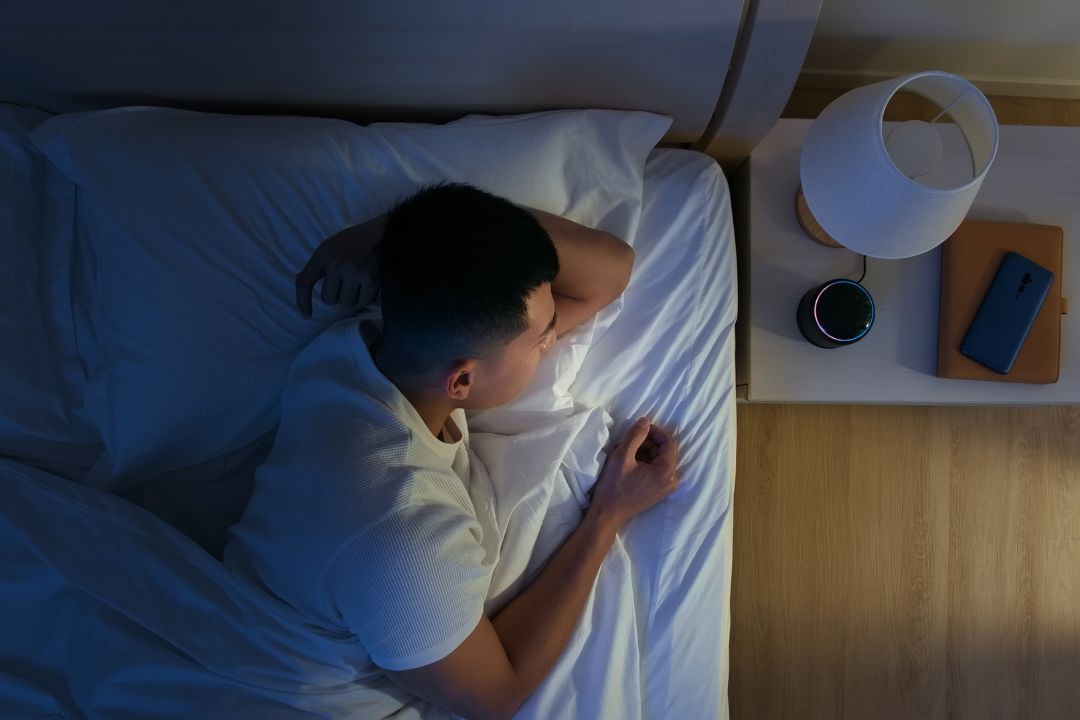
Yes. A bedside speaker, a fan, or an app with a sleep timer can add soft sound while you fall asleep. Keep the level comfortable and below the point where it could disturb your sleep. If tinnitus is affecting your sleep often, it is worth mentioning to your audiologist or doctor at your next visit.
Is sound therapy the same as tinnitus retraining therapy?
Tinnitus retraining therapy, or TRT, uses sound therapy as one of its two parts, alongside structured counseling about how tinnitus works. Sound therapy on its own covers a wider range of options, including masking and everyday background sound. Our page on TRT explains how that program works and what its trials found.
How is sound therapy different from hearing aids?
Hearing aids make everyday sound louder for people with hearing loss, which gives tinnitus more sound around it. Sound therapy is the wider approach of adding sound, and hearing aids are one form of it. If a hearing test shows hearing loss, guidelines in the US and UK support hearing aids for people with tinnitus.
Ready to talk it through?
Clinics listed on Tinnitus Support that offer sound therapy can test your hearing and help you find a sound setup that suits you.
This page is for general information about tinnitus treatments. It does not replace advice from an audiologist or doctor who has assessed your hearing. Treatment suitability and results vary from person to person.
Published September 2026 · Last reviewed September 2026